When you are about to embark on an undertaking like a big trek, it seems an ideal opportunity to raise some money for a good cause that has particular meaning to you.
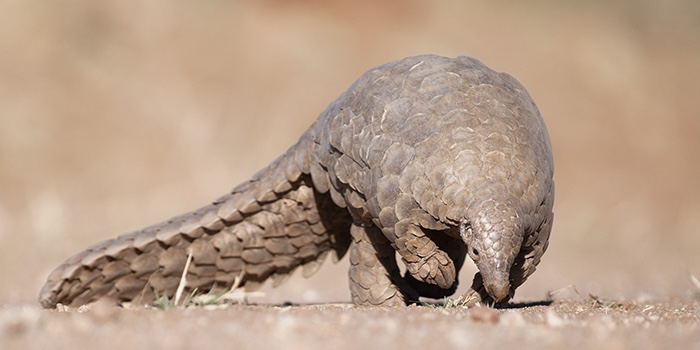
Now there are many different charities I could have chosen, but I wanted to pick something urgent, less high profile, and perhaps hence less likely to otherwise benefit from fund- raising than better known good causes. This is what led me to want to raise money to help protect the endangered pangolin.
The human race has a remarkable ability not only to wage war on itself, but to harm or destroy other species too. Whether it’s overhunting or fishing, destruction of habitat, trophy hunting, deliberate destruction, introduction of invasive species, or causing climate change, humanity all too often has disregarded, exploited, or cold-bloodedly killed animals in numbers beyond their ability to replenish or sustain their populations.
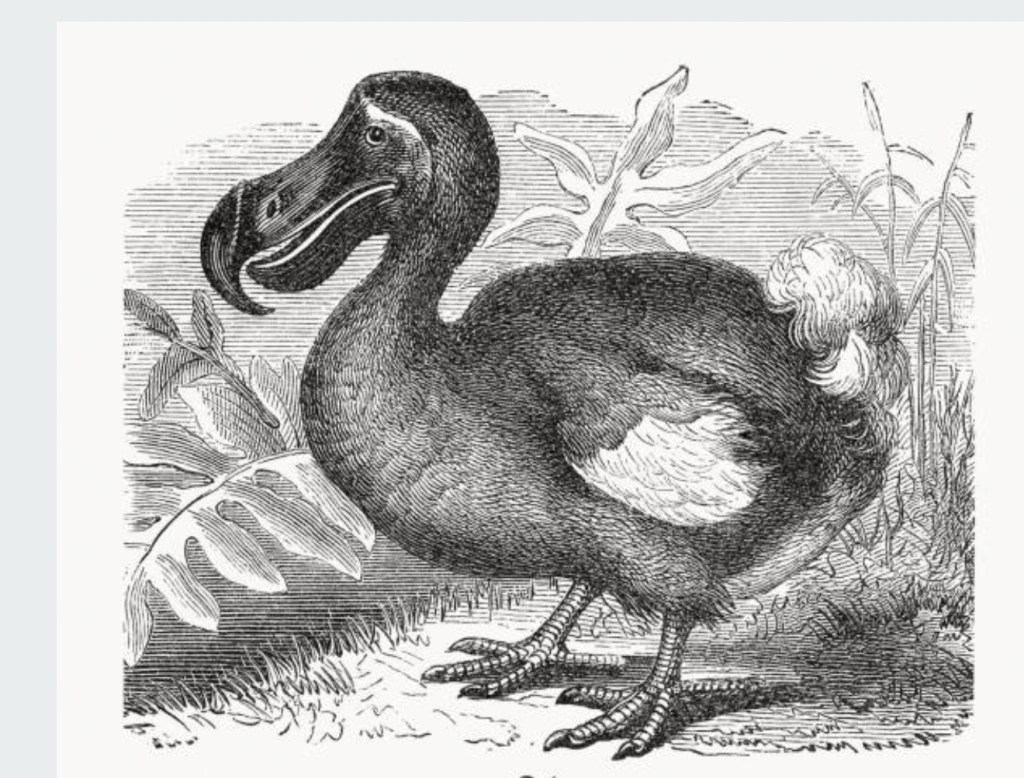
The dodo, the buffalo, the red squirrel, the mountain gorilla, the orang-utan, white rhino, giant panda and passenger pigeon are some of the more famous examples of animals pushed to the brink or beyond. But for everyone of these well known examples there are many other species for which near extinction is not well known or goes practically unnoticed by much of the population.
Sometimes captive breeding programmes in zoos provide part of the answer, but breeding in captivity is not always that easy, nor is even keeping some animals in zoos practical in all cases.
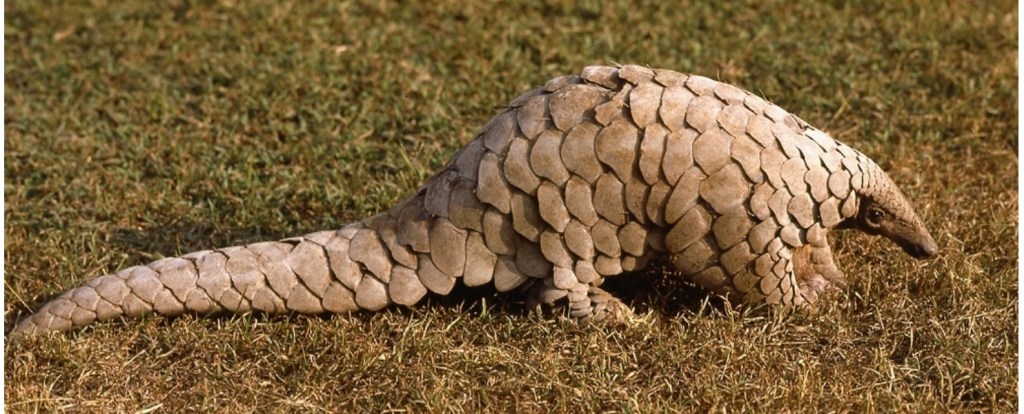
Unfortunately , pangolins, scaly ant-eating mammals which live in parts of Asia and Africa, face more problems than most.
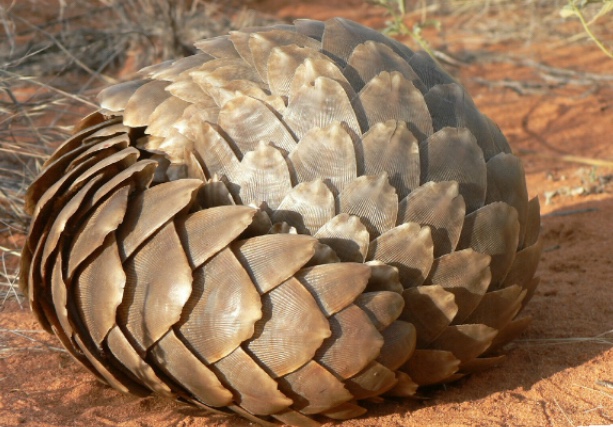
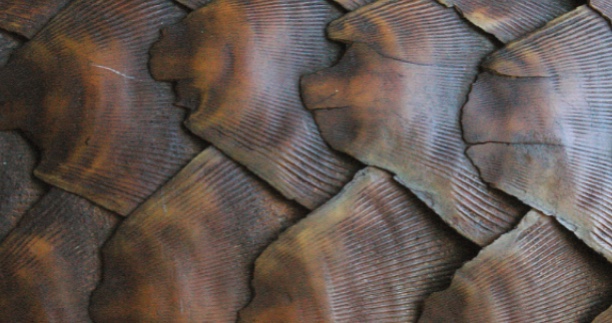
They are the most trafficked animals in the world. Their scales are huge business, as they are believed by some to have medicinal properties. The trade, though illegal, is lucrative, and relatively easy due to pangolins’ small size. Their natural defence is to roll into a ball. Hundreds of thousands are killed a year.
Pangolins are also killed for bushmeat in some countries.
Pangolins rely almost exclusively on eating ants, which means they are difficult to keep in captivity, as they need to roam relatively large areas
The plight of pangolins is not well known or publicised.
Two of the eight species are crucially endangered, or on the verge of extinction, and the others are increasingly vulnerable and likely to become critically endangered soon. Action is needed now, before it’s too late, and while internationally and in many national laws pangolins are protected, this doesn’t mean the trade has ended.
Once pangolins disappear, that’s it. They are gone forever. And this is not natural evolution. It’s not even, in this case, accidental. To use an emotive and perhaps overused term, it’s effectively genocide. And every species which disappears has a knock -on effect on others too, upsetting the delicate balance of nature.
Let’s help turn the tide, and do something positive. If you feel like I do, and think that these things matter, and these beautiful animals do not deserve to disappear, please do support me by making a donation to my just giving page for Fauna and Flora International in support of its work in protecting pangolins.
https://justgiving.com/fundraising/larry-honeysett
FFI are doing critical work to help turn the tide , to help save pangolins from destruction and every donation helps in their efforts.
Thank you for your support.
 Across the Alps to the Adriatic