As a walker, I am ever conscious of the debt we owe others for the ability to enjoy the great outdoors. While on the one hand humanity has variously despoiled, exploited and damaged the land, habitats and wildlife, and sought to exclude, whether by enclosure, intimidation or the power of wealth; others have to stood up to protect and conserve, open up and share the beauty and freedom that belongs rightly to us all.
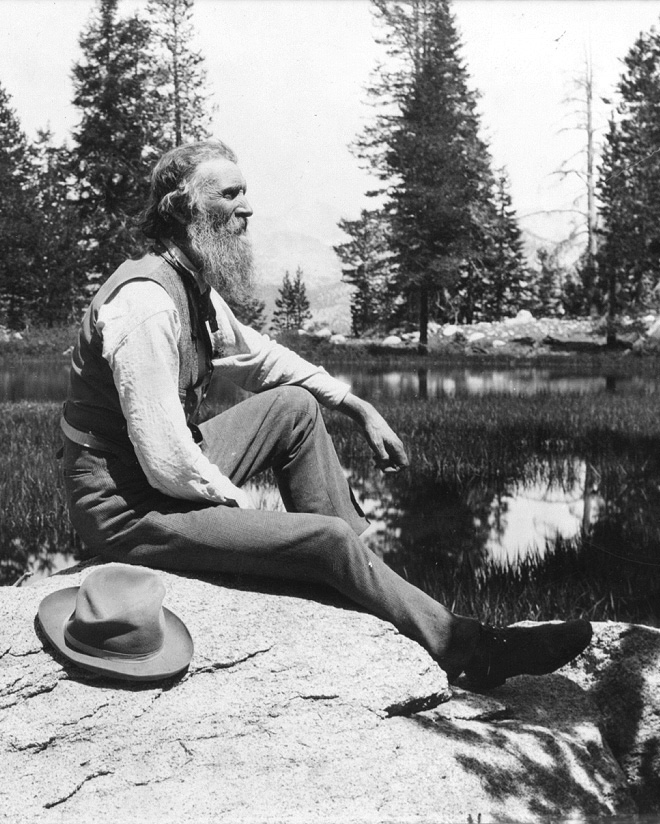
People like John Muir, the founding father of the National Parks movement; Octavia Hill, campaigner who saw the benefits to city dwellers of open air and space and helped found the Open Spaces Society and the National Trust; and Benny Rothman, one of the many who challenged the power of the privileged to exclude others from places they loved, in the now legendary mass trespass on Kinder Scout of 1932.
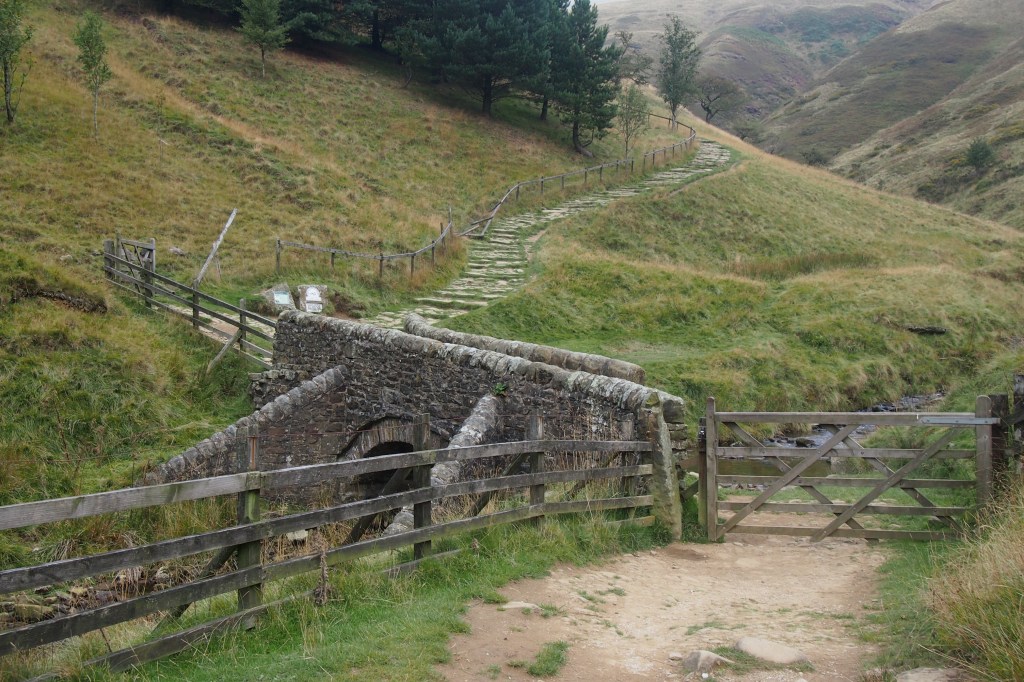
In many ways we are fortunate in England and Wales to have, since 1949, enshrined in law, a network of legally recognised rights of way for walkers, as well as the more recent addition of a right to roam over moorland and mountain. Scotland has longer standing informal traditions, more recently legally recognised, to roam and camp, a right also enjoyed across a number of other Northern European countries.
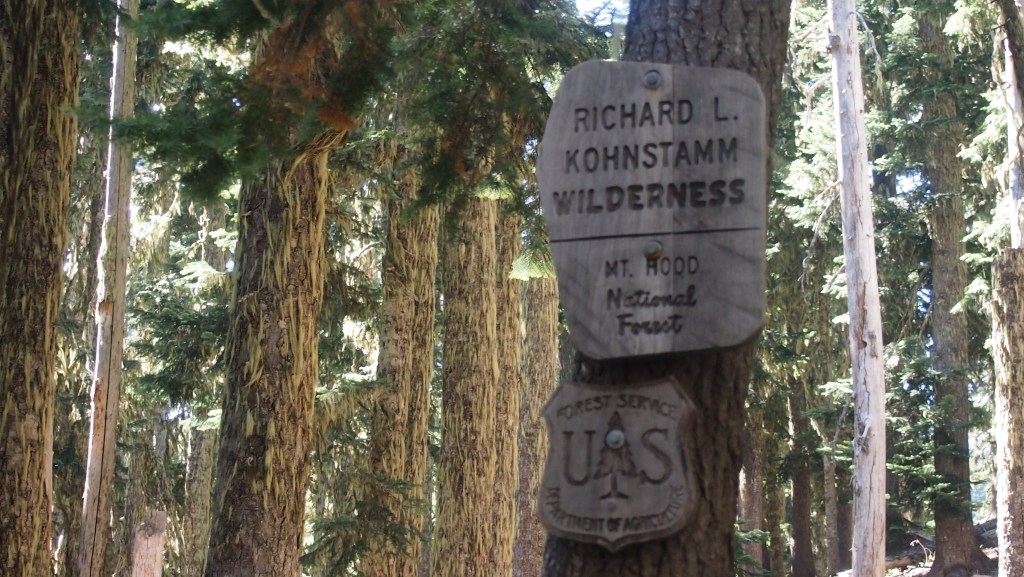
Other countries such as the US, while more resistant to granting public access to private land, have set aside large areas, owned by central and local governments, as National and State parks, and National Forests.
We don’t have to look very far to see the effect of where such access rights are much more limited. Take Ireland, north and south, for instance, where there are few National Parks (none in Northern Ireland at all) and few public rights of way other than roads. As a result, walkers there are largely restricted to a few permissive paths and designated long distance walks. The threat of litigation has stymied attempts to widen public access.
But I don’t think the battle is won, so to speak, even here. The right to roam in England and Wales was watered down in its passage to legislation, excluding for instance, many river banks and woodlands; and in recent years there have been moves to criminalise trespass, ease restrictions on building on green belt and sell off state forestry land to give a few examples. A deadline of 1 January 2026 has been set by the government preventing further additions of rights of way to the definitive map. These are all retrograde steps.
I hope these and new threats fail, and we can instead look more positively to the idea of granting greater access, alongside responsibility and better land stewardship. We need to protect and enhance Areas of Outstanding Natural Beauty, National Scenic Areas and Sites of Special Scientific Interest, designate further National Parks (eg mid Wales, the Mournes, Glen Affric and Galloway), and ideally move to a situation where everywhere is open, unless there are good reasons (eg nature protection, safety) and not misuse the need for personal privacy or security as a catch-all to exclude most from vast swathes of land.
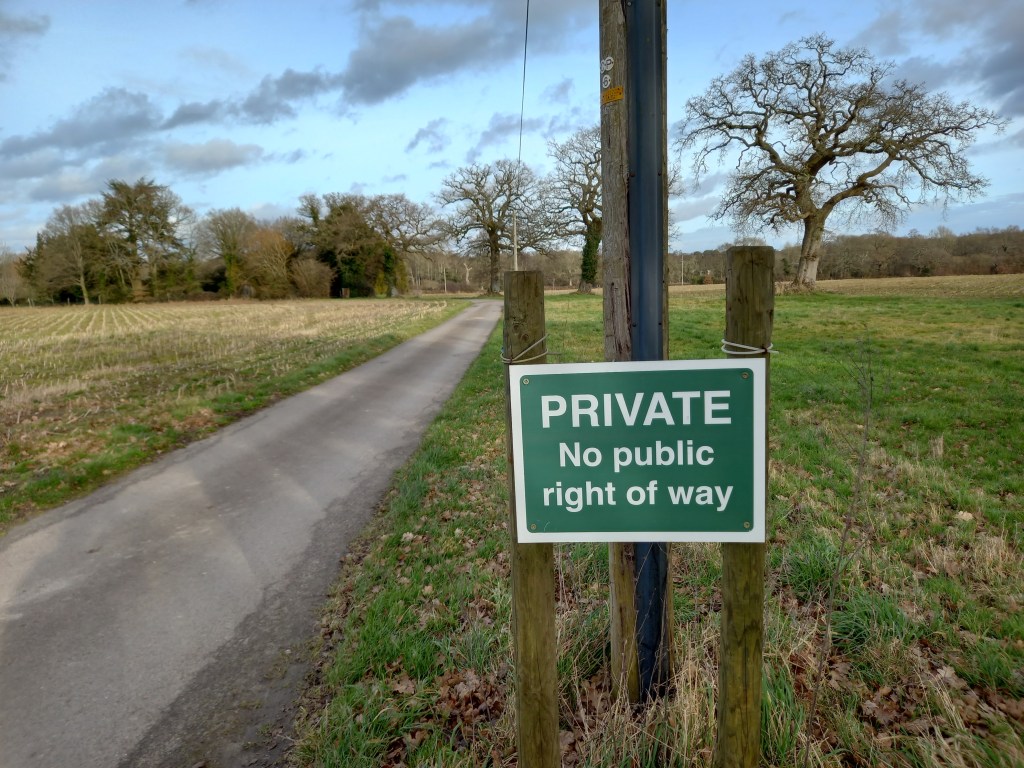
After all it would be nice to see fewer of those threatening ‘Private’ and ‘Trespassers will be prosecuted’ type signs and more ‘Responsible walkers welcome’ ones.
 Across the Alps to the Adriatic