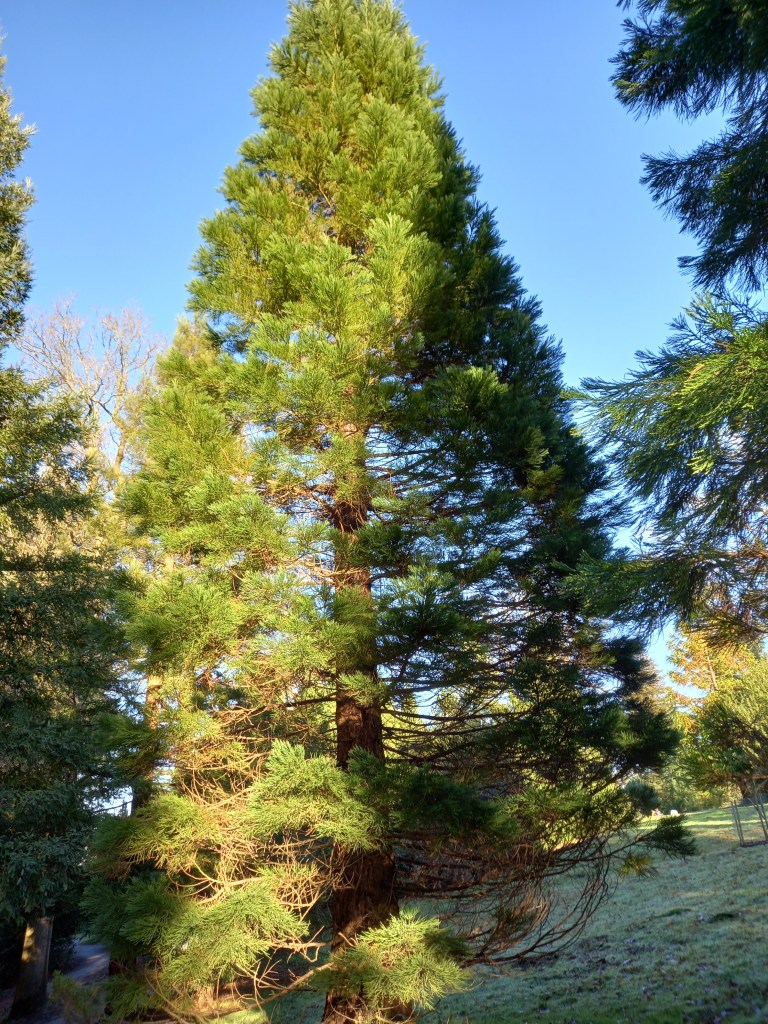
This Christmas I was given a fascinating book: King Sequoia, about the most magnificent and largest of trees, the giant sequoia, part of the redwood family. Written by a former US National Park ranger,William Tweed, it relates the fascinating, but predictably disturbing, story of how the mightiest of trees was first encountered by European Americans in isolated groves in California and has subsequently been at various times, marvelled at, exploited, destroyed and now protected.
It’s a story which has parallels with that of many species of flora and fauna, and of habitats, across the world, showing how short term financial gain (which ironically in this case rarely actually materialised) almost brought this most magnificent of trees to the brink of extinction.
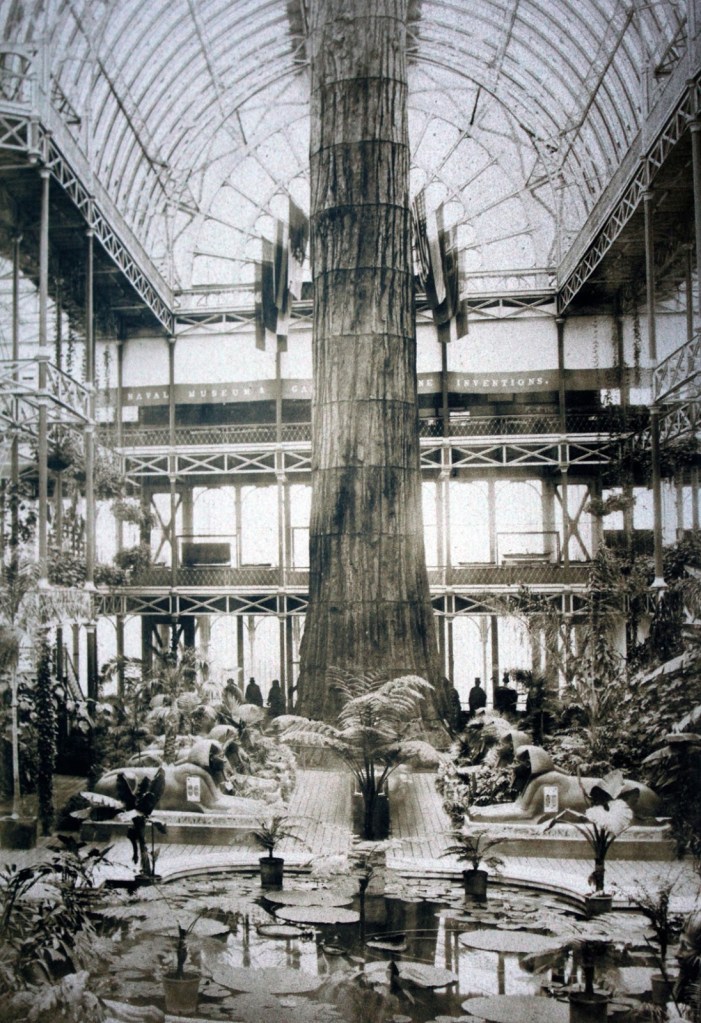
What really brought it home to me was a picture in the book of how the Victorians thought it was a good idea to remove the bark of one of the world’s oldest trees and put it on display at the Crystal Palace exhibition, barely a mile from where I live. But many other tales related in the book are equally shocking.
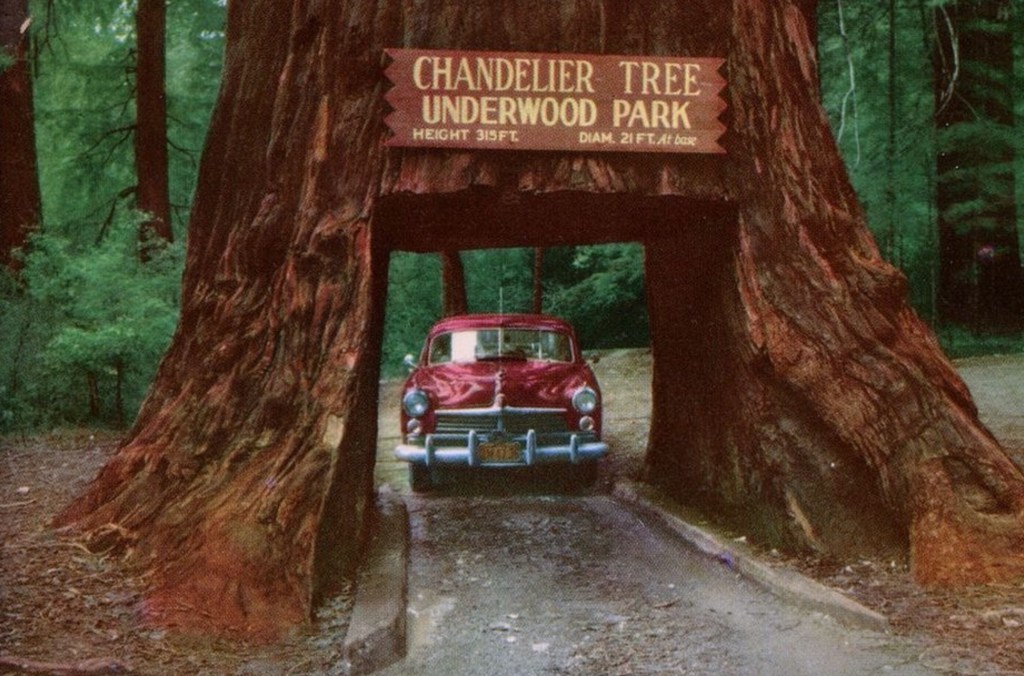
We’ve all seen the pictures like that above of people driving through a cut out cavity in the trunk of a sequoia, which somehow, someone thought was a good idea! For the tree to reach this size took thousands of years, but inevitably the trees have eventually died as a result. Such a shame, and so unnecessary.
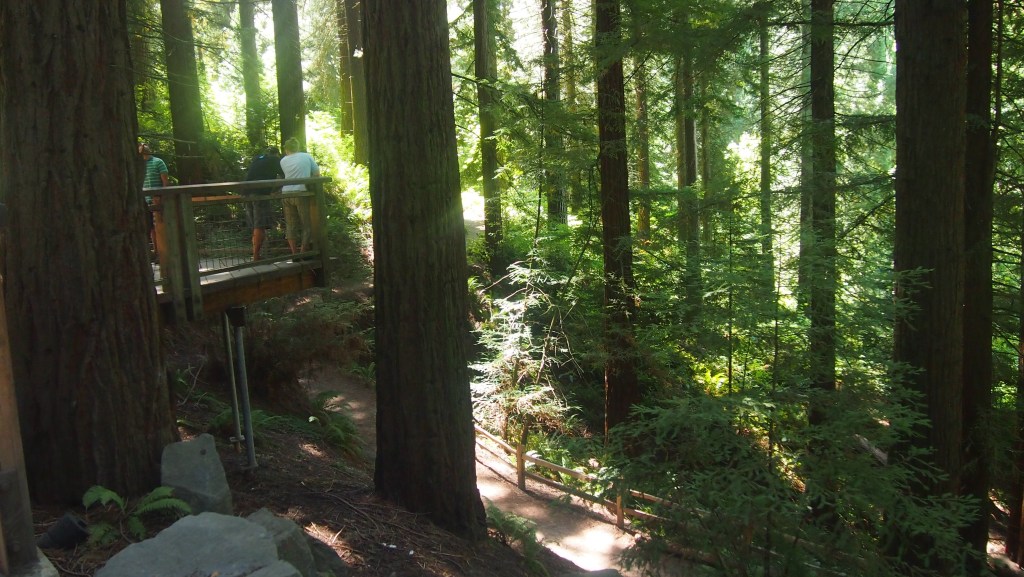
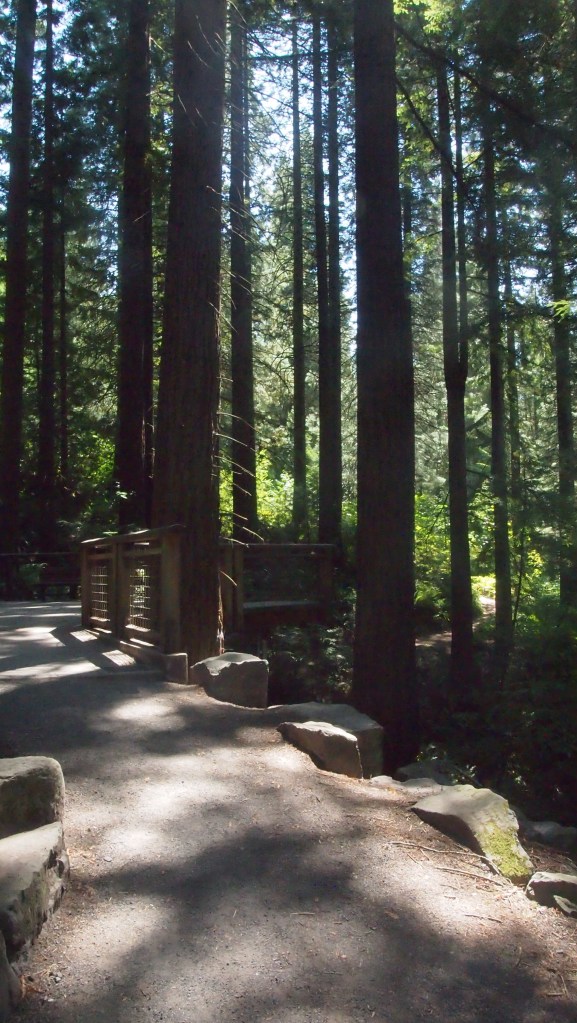
I guess I first became aware of the just how amazing these trees are on a visit to Oregon in 2015. That they provided welcome shade during searing heat during our visit was a bonus, although recent record breaking wildfires in California have highlighted the new dangers which climate change brings.
In fact naturally occurring forest fires, every 25 to 30 years, are actually beneficial to redwood trees. They enable other species to be cleared while the thick redwood bark protects sequoias against short term fire damage and enables redwood seedlings to flourish before other species can grab the light needed to grow. But the sheer ferocity, frequency and extent of recent forest fires in California threaten even the redwoods. Recently park rangers have taken to covering the base of particularly vulnerable old sequoias with aluminium foil in the hope that this can protect them further.
While, outside California’s sequoia groves, there aren’t any of the massive, thousands of year old specimens of sequoias that make these trees so special, nonetheless since the three species were first identified by Europeans in the mid nineteenth century, seeds have been exported around the world.
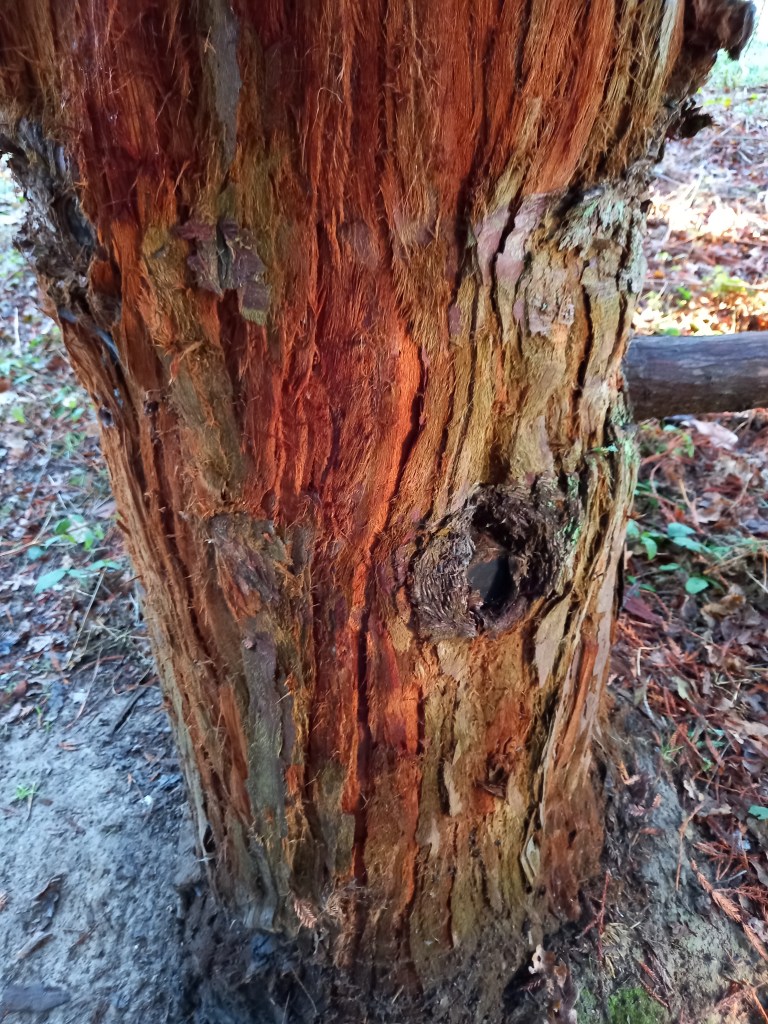
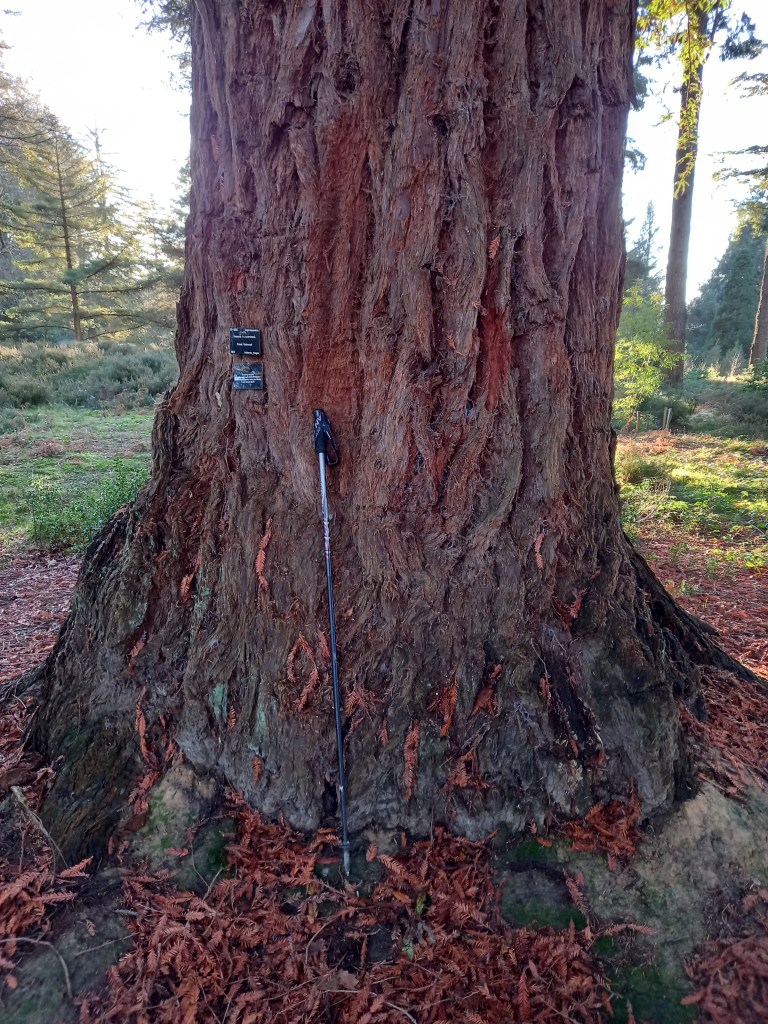
Bedgebury, our national pinetum, has some of the UK’s best examples, and with the help of the dedicated compilers of the Redwood World website it is easy to find a redwood tree near you. In fact, I’ve already found two not listed but labelled in a nearby wood, and what I’m fairly sure is a coastal redwood in a nearby park, also not listed. So there are more than you think. While nothing like their American counterparts they are still beautiful trees and it’s amazing to think that in three thousand years they may still be there, if human behaviour allows.
 Across the Alps to the Adriatic